
"Bolivian coffee flavor"
500 article(s) found

Introduction to the producing area of Bolivian Coffee Flavor description Price Manor
The advantage of Bolivian coffee lies in its high altitude and excellent varieties of coffee, where the traditional Tibica and a small amount of Kaddura are highly valued in the world market. Bolivia is not a big coffee producer, but the excellent altitude and climatic conditions of the La Paz Mountains make the coffee produced here is of excellent quality. Bolivian boutique coffee is delicate, bright and sweet.

Malt Sweet Bolivian Coffee Grinding scale Variety Flavor description Taste Manor introduction
Traditional Typica species are mostly grown on high mountains with rich volcanic soil more than 2000 meters above sea level. The source of water for coffee treatment also comes from melted snow water in the mountains, which is completely pollution-free. Because of its high altitude and low temperature all the year round, the Typica species here is not as big as that of neighboring countries, but it has more diverse fragrances and fuller sweetness. Clean malt sweet, orange, red jujube, and lemon peel

Introduction to the method of regional variety treatment for the grinding scale of Bolivian coffee beans with sweet caramel
In the past, coffee trees in Bolivia used to act as hedges and ornaments around the garden. Real commercial production began in the early 1950s. The coffee industry in Brazil was seriously damaged by the great frost in 1975, while Bolivia (Bolivia) benefited from it and developed rapidly. The origin of Bolivian coffee: Bolivian coffee at an altitude of 180 Muhami 670 meters.

Aroma rich and unique Bolivian coffee varieties Flavor taste Manor introduction
Early Bolivian coffee was of poor quality and poorly marketed. The coffee cherries are usually picked and then simply peeled and sent all the way to the processing plant. Due to inadequate infrastructure, transportation is underdeveloped. Coffee farmers have to overcome rugged mountain roads to transport beans to higher altitudes in La Paz for washing. If coffee is not delivered in time,

Bolivian Coffee Bean Flavor Bolivia Coffee Manor South America is rich in coffee beans, Bolivia
South America is rich in coffee beans, and Bolivia is no exception. The unique tropical rain forest environment in some parts of Bolivia provides excellent natural conditions for the growth of organic coffee. The aroma of Bolivian coffee is rich and unique, both the aroma of ground beans and the aroma of coffee are obviously rich, similar to the mixture of flower and fruit aroma, which is impressive.

Bolivia Plamela Fair Trade Coffee Bean introduction _ Bolivian Plateau Coffee beans good
Professional coffee knowledge exchange more coffee bean information please follow the coffee workshop (Wechat official account cafe_style) Bolivia Plamela Fair Trade Coffee contains an excellent and complete flavor, floral, chocolate, malt, sweet berry flavor and thick taste. When the coffee temperature continues to drop, different levels of taste will be surprising, the most classic Bolivian coffee

The main coffee producing areas in Bolivia introduce Bolivian coffee estates and Bolivian coffee beans.
Takesi Manor, drinking water and coffee after harvest treatment, using alpine melting cold snow landscape, so we give her a nickname: Takesi Snow vein Manor; in addition to low temperature, pollution-free environment, fertile and well-drained volcanic soil, is also an element of coffee flavor, although the owner of Agrotakesi SA is rich, but deep respect for nature and the way to get along, but

Introduction of high-quality coffee with bitter taste in Bolivian coffee manor
Bolivia was rescued from independence by Bolivar, a national hero from Caracas, Venezuela, during the War of Independence in Latin America in the 18th century, so the country was named after him. August 6, 1825 declared independence from Spain, named the Bolivarian Republic, and then changed to the present name Bolivia and Paraguay broke out in 1932 for oil resources in the North Chaco region.

Introduction to the sweet and fragrant Bolivian coffee flavor manor boutique coffee beans
The legal capital, the seat of the Supreme Court, with a population of 284000, 2790 meters above sea level. Founded in 1538, the city was formerly known as Chuquisaka. The city witnessed the first uprising in South America against Spanish rule in 1809. Bolivia declared its independence here in 1825 and became the capital in 1826. In 1839, it was renamed Sucre to commemorate the second president of Bolivia, General Antonio Jos é Sucre.

Bolivian Coffee Snow Veins Manor Flavor Introduction Bolivian Coffee Features
Bolivia's high-quality estate, altitude is very high, the environment of low temperature all the year round, so that coffee fruit growth is slow, close enough, aroma is charming, floral flavor is obvious, such as careful processing, picking the same maturity of cherries, often have a clean and delicate senior taste, this elegant vanilla and peach flavor is very attractive, this champion bean flower aroma is very diverse, vanilla and honey sweet feeling is very lasting. to
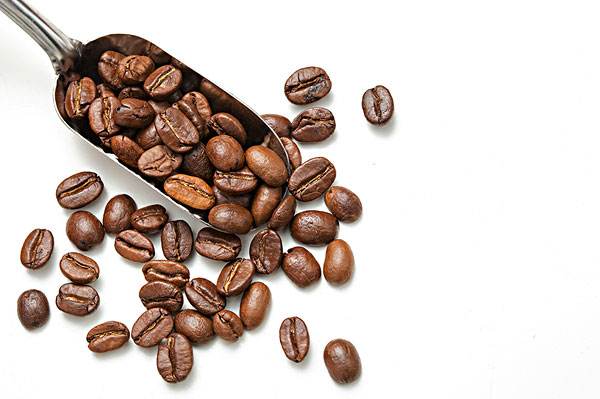
An introduction to the flavor of Bolivian coffee beans in South America
Following caf é (Wechat official account vdailycom) found that Beautiful Caf é opened a small shop rich in coffee beans in South America, and Bolivia is no exception. The unique rainforest environment in some parts of Bolivia provides excellent natural conditions for the growth of organic coffee. The aroma of Bolivian coffee is rich and unique, whether it is the aroma of ground beans or made.

Bolivian Coffee Flavor description Grinding characteristics introduction of High-quality Coffee beans in producing areas
We know that Arabica coffee cannot be grown in cold places above 2000 meters above sea level. if the altitude is too high, coffee trees will frost because the temperature is too low. So Bolivian coffee is mainly grown in the Yungas region northeast of La Paz. It borders the Amazon basin and is about 1500-2500 meters above sea level with an average annual temperature of about 10-15 ℃. Therefore, guarantee

Introduction to the grinding scale of Bolivian coffee flavor description variety characteristics treatment method
Bolivian coffee flavor description, variety characteristics, processing method, grinding scale introduction flavor: dry aroma of roasted nuts and almonds, Lake Titicaca of oranges and pomelos is located on the Coya'ao Plateau on the border between Bolivia and Peru. It is the highest and largest freshwater lake in South America, one of the highest freshwater lakes in the world, and the highest ship accessible in the world.

Introduction to the characteristics of Bolivian Coffee Flavor Manor with medium and low acidity
Arabica coffee cannot be grown in cold places above 2000 meters above sea level. if the altitude is too high, coffee trees will frost because the temperature is too low. So Bolivian coffee is mainly grown in the Yungas region northeast of La Paz. It borders the Amazon basin and is about 1500-2500 meters above sea level with an average annual temperature of about 10-15 ℃. Therefore, it ensures the growth of coffee.

Bolivian boutique coffee what is Bolivia's unique coffee bean treatment?
Some time ago, the front street coffee on the shelves of a coffee from glass via, called Bolivian cocoa sun Kaddura. We often hear that the altitude of coffee planting will have a great impact on the flavor of beans, the higher the altitude, the better the flavor of coffee beans, so coffee will also be planted at high altitude. However, there is one strange thing you may not know.

Taste characteristics of Bolivian Coffee Manor with good aftertaste introduction to Xuemai Manor
The seat of the Government and Parliament of La Paz, the largest city and political, economic and cultural center in the country, with a population of 2.7416 million. The city center, which is 3660 meters above sea level, is the seat of the government of La Paz, the capital of La Paz (10), the world's largest capital. La Paz was founded in 1548 and means the city of peace in Spanish. [6] legal capital of Sucre, seat of the Supreme Court, population 284000, altitude

Rich sour Bolivian fine coffee beans Manor flavor varieties Introduction
One third of Bolivia's territory is Andean, rugged terrain, mainly road transport, accounting for more than 85 per cent of transport. The main railway and road networks are concentrated in the west, and remote areas rely on air communication. However, road coverage is the lowest in South America. Moreover, there is also the Ronggas Highway, the world's most dangerous road known as the Road of Death. It has no developed economy, it's the poorest in South America.

Introduction to Bolivian Coffee Flavor Coffee beans in Bolivian Coffee Manor
In the past, most of the coffee in Bolivia was of mediocre quality, but in recent years, the production of boutique coffee has developed rapidly, and there have been a lot of pretty good beans. In recent years, the COE (Cup of excellence) system, which was first implemented in Brazil, has become more and more popular. Bolivia has also introduced this system, which can stimulate the enthusiasm of coffee farmers on the one hand and improve it on the other.

Bolivian coffee with rich acidity Growing environment Flavor Taste Manor Introduction
One third of Bolivia's territory is Andean, rugged terrain, mainly road transport, accounting for more than 85 per cent of transport. The main railway and road networks are concentrated in the west, and remote areas rely on air communication. However, road coverage is the lowest in South America. Moreover, there is also the Ronggas Highway, the world's most dangerous road known as the Road of Death. It has no developed economy, it's the poorest in South America.

Description of Bolivian Coffee Flavor with Fruit aroma introduction to the characteristics of Grinding degree and Price Variety
On December 18, 2005, the presidential election was held. Aymara Indian, Evo Morales, leader of the Bolivian socialist movement, won the election with 53.75% of the vote and took office on January 22, 2006. He became the country's first Native American president and Bolivia's first left-wing president. Began with progressive community socialism (that is, Indian socialism)